

By Dr Sumit Toor
Introduction
The human hand is a marvel of biological engineering, and the Proximal Interphalangeal (PIP) joints are central to its functionality. These joints are responsible for approximately 40% of the overall mobility of the finger, making their health vital for everyday tasks. However, arthrosis of the PIP joints is a frequent disorder that leads to significant limitations in daily activities and chronic pain.
Historically, surgical options for severe PIP joint issues were limited. While arthrodesis (joint fusion) remains the standard for distal joints, it is often undesirable for the PIP joint because it eliminates movement. For patients suffering from arthritis, trauma, or stiffness, mobility-preserving surgery using an artificial joint is the preferred modern approach to maintain a high quality of life.
What is CapFlex PIP Joint Replacement?
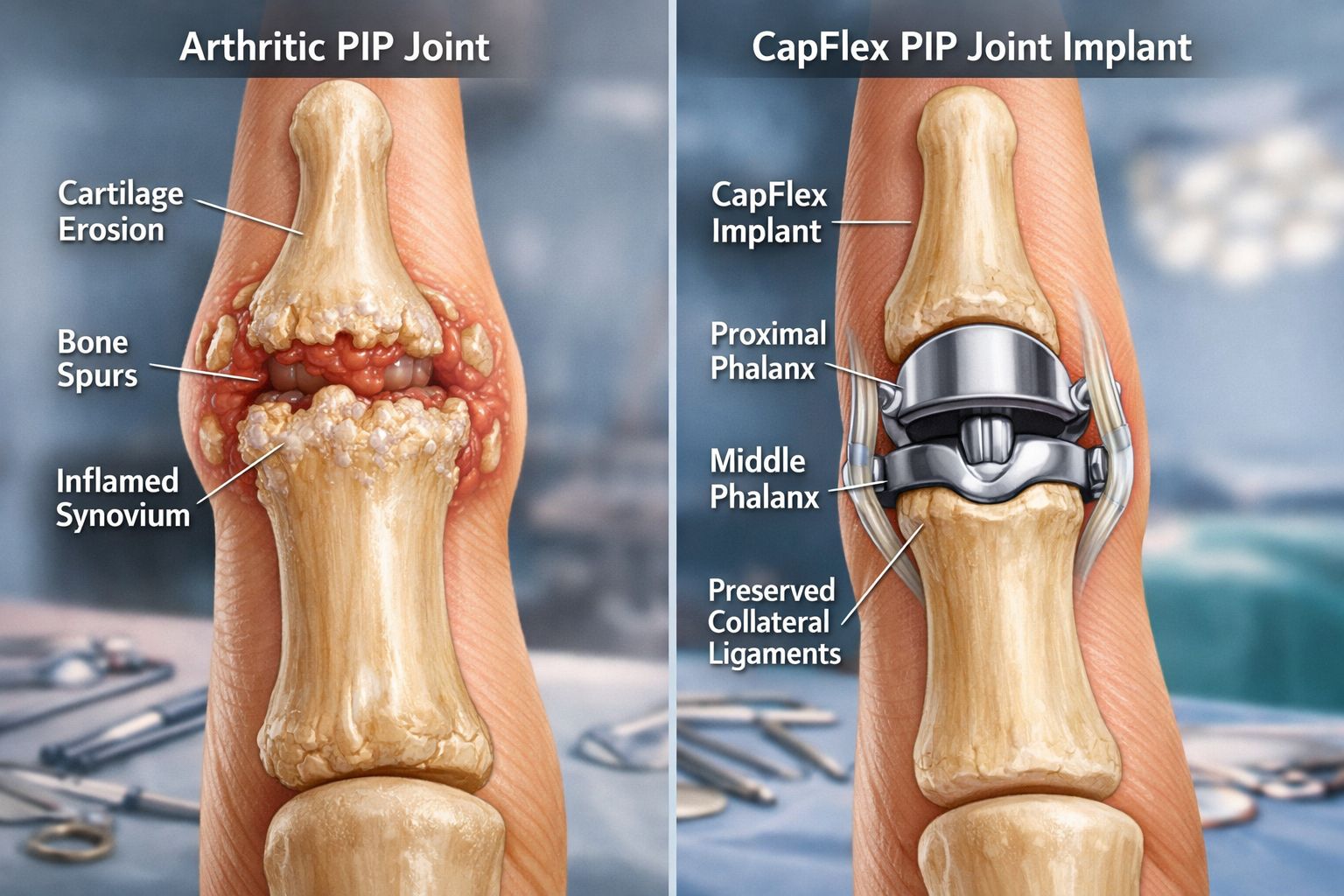
The CapFlex PIP prosthesis represents a significant leap in hand surgery innovation. Unlike traditional silicone implants, which act more like flexible spacers, CapFlex is a surface replacement designed to mimic anatomical motion. The system consists of a proximal and a distal component, available in sizes S, M, and L, allowing for customized combinations to fit the patient’s unique anatomy.
One of the primary advantages of the CapFlex system is its minimal bone resection. By preserving more of the natural bone, surgeons can keep the collateral ligaments intact. This preservation is crucial as it ensures high postoperative stability. Furthermore, the prosthesis enables condylar guidance throughout the entire range of movement. This provides superior lateral stability, which is especially critical for the index and middle fingers, as they endure constant lateral pressure from the thumb during pinching and gripping tasks.
Case Highlight: A Second Success for North India
In a landmark achievement for regional healthcare, Dr. Sumit Toor at Livasa Hospital has successfully completed the second-ever CapFlex PIP joint replacement in North India. Notably, Dr. Toor also performed the region’s first successful case, establishing a track record of consistency and pioneering expertise in advanced microsurgery.
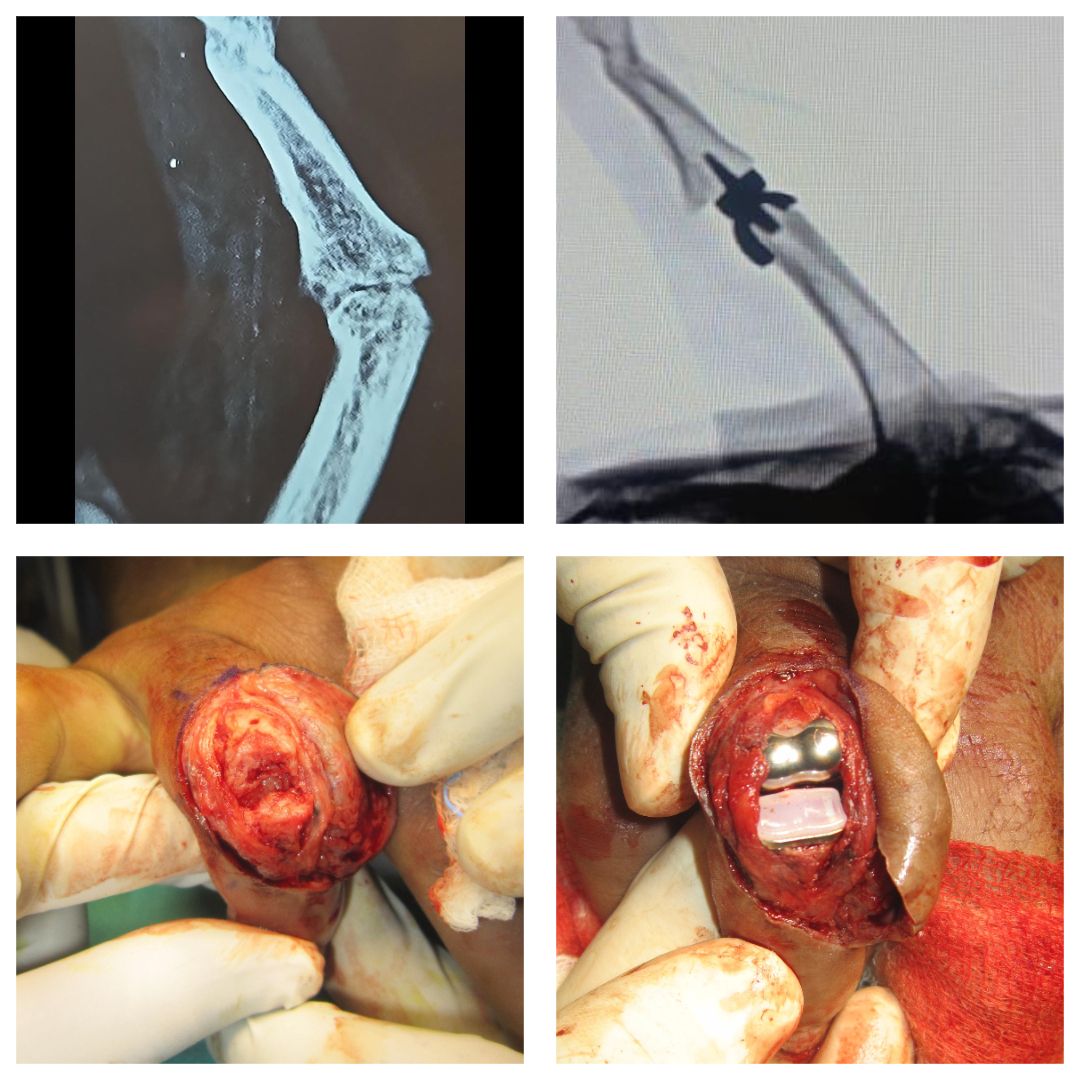
The patient presented with a complex profile of joint degradation and stiffness that severely hindered hand function. The surgical plan focused on precision and the preservation of the surrounding soft tissue structures. During the procedure, Dr. Toor utilized the CapFlex system to restore the joint surface while maintaining the integrity of the collateral ligaments, ensuring the finger remained stable yet mobile.
Outcomes and Results
The results of this second procedure have been highly encouraging. Following the surgery, the patient transitioned into early mobilization, a key benefit of the CapFlex system’s stability. Early results show a marked improvement in the range of motion and significant pain relief.
Comparing this to the first successful case, the surgical team noted a refinement in the procedural workflow. This “learning curve” has led to improved efficiency and even more precise alignment, showcasing how consistent practice with advanced technology translates directly into better patient outcomes.
Significance for North India
For many years, advanced small joint arthroplasty was a specialty reserved for major metropolitan hubs. The availability of such sophisticated hand reconstruction in Hoshiarpur marks a shift in the decentralization of advanced medical care. By bringing world-class technology like CapFlex to tier-2 cities, surgeons like Dr. Sumit Toor are establishing North India as an emerging center for microsurgery and specialized orthopedics.
Future Perspective
The success of these cases opens the door for expanding the indications of small joint arthroplasty across India. As awareness grows among both patients and the medical community, more individuals suffering from post-traumatic arthritis or degenerative joint disease can avoid the limitations of joint fusion. The combination of specialized training and high-end implants like CapFlex is set to redefine the standard of care for hand injuries and conditions nationwide.
Conclusion
The completion of the first and second successful CapFlex PIP joint replacements by the same surgeon is more than just a medical milestone; it is a testament to innovation and clinical excellence. By prioritizing patient-centric outcomes and functional restoration, Dr. Sumit Toor and Livasa Hospital are leading the way in hand surgery, ensuring that patients in North India have access to the very best in mobility-preserving technology.