

By Dr Sumit Toor
Introduction
When the kidneys are no longer able to filter waste and excess fluid from the blood, a condition known as kidney failure or End-Stage Renal Disease (ESRD) occurs. In these cases, haemodialysis becomes a life-saving necessity. Dialysis acts as an artificial kidney, cleaning the blood to keep the body in balance. However, for dialysis to be effective, doctors need a reliable way to reach the bloodstream repeatedly. This is where vascular access comes in, and the Arteriovenous Fistula (AVF) is widely considered the safest and most effective method available.
What is an Arteriovenous Fistula (AVF)?
An Arteriovenous Fistula, commonly called an AV fistula, is a surgical connection made between an artery (which carries oxygen-rich blood from the heart) and a vein (which carries blood back to the heart). Usually created in the arm, this connection causes more blood to flow into the vein. Over time, the vein becomes thicker, stronger, and wider, making it capable of handling the high blood flow required for successful haemodialysis.
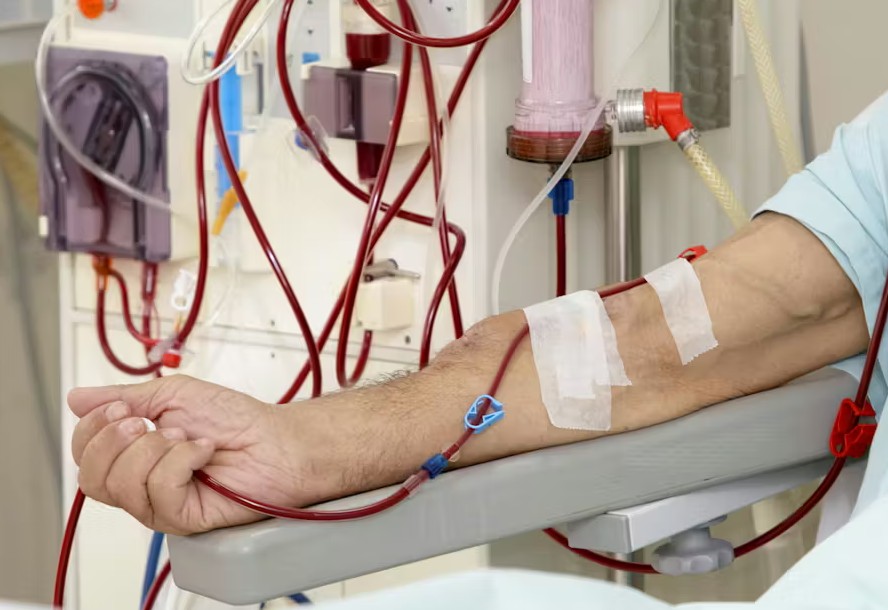
Why the AV Fistula is the Best Option
In the world of kidney failure treatment, the AV fistula is often called the “gold standard” for vascular access. Compared to other methods like synthetic grafts or central venous catheters, the AV fistula offers several significant advantages:
- Lower Infection Risk: Since it is made from your own natural tissue, it is much less likely to get infected than plastic tubes.
- Longer Lifespan: A well-cared-for fistula can last for many years, whereas other types of access often need replacement.
- Better Blood Flow: It provides the high-speed blood flow necessary for efficient dialysis, which means better treatment outcomes.
- Lower Risk of Clotting: AV fistulas are less prone to developing blood clots (thrombosis) compared to synthetic grafts.
Comparison Table: Dialysis Access Options
| Feature | AV Fistula | AV Graft | Dialysis Catheter |
|---|---|---|---|
| Material | Your own vein/artery | Synthetic tube | Plastic tube in neck/chest |
| Infection Risk | Lowest | Moderate | Highest |
| Durability | Years | 1–2 years | Short-term |
Who Needs an AV Fistula?
Patients diagnosed with Chronic Kidney Disease (CKD) who are approaching the need for dialysis are the primary candidates for dialysis fistula surgery. Doctors usually recommend planning for an AV fistula several months before dialysis is expected to start, as the access site needs time to “mature” or heal before it can be used.
The Procedure Overview
Creating an AV fistula is a relatively minor surgical procedure. Here is what patients can expect:
- Anaesthesia: Most surgeries are performed under local anaesthesia (numbing the arm) or regional block, meaning you stay awake but feel no pain.
- The Surgery: The surgeon makes a small incision to join the artery and vein. This is typically done in the wrist or the elbow of the non-dominant arm.
- Time Taken: The procedure usually takes about 60 to 90 minutes, and most patients can go home the same day.
- Maturation: After surgery, the fistula needs 6 to 12 weeks to “mature.” During this time, the vein strengthens and enlarges to handle the dialysis needles.
Care of Your AV Fistula: Essential Do’s and Don’ts
Your fistula is your lifeline. Proper care is vital to ensure it stays functional for as long as possible.
Daily Precautions
- Check the “Thrill”: Every day, feel your fistula. You should feel a vibration or buzzing sensation, known as a “thrill.” If it stops, contact your doctor immediately.
- Listen for the “Bruit”: If you put your ear to the fistula, you should hear a whooshing sound called a “bruit.”
- Keep it Clean: Always wash your access arm with antibacterial soap before dialysis.
The “Don’ts” for Fistula Safety
- No Blood Pressure Checks: Never allow anyone to take blood pressure on your fistula arm.
- No Injections: Do not allow blood draws or IV lines in the fistula arm (except for dialysis).
- Avoid Pressure: Do not wear tight clothing, watches, or jewelry on that arm. Avoid sleeping on your fistula arm.
- No Heavy Lifting: Avoid carrying heavy bags or putting excessive strain on the access arm.
Possible Complications
While AV fistulas are the safest option, complications can occasionally occur:
- Thrombosis: A blood clot that blocks the flow.
- Infection: Redness, swelling, or pus at the site.
- Aneurysm: A bulging area in the vein wall.
- Steal Syndrome: When the fistula “steals” too much blood from the hand, causing coldness or numbness in the fingers.
When to consult a doctor: If you notice any redness, fever, swelling, or if the “thrill” (vibration) disappears, seek medical help immediately.
Patient Education Box: Key Takeaways
- The AV fistula is the safest, longest-lasting access for dialysis.
- Plan ahead—it takes weeks to months to mature.
- Check for the “buzzing” sensation (thrill) every single day.
- Protect your arm from tight clothing and blood pressure cuffs.
Frequently Asked Questions (FAQs)
Is the procedure painful?
The surgery itself is painless due to anaesthesia. You may feel some soreness for a few days afterward, which can be managed with simple pain relievers.
How long does it last?
With good care, an AV fistula can last many years, sometimes even decades.
Can it fail?
Yes, sometimes a fistula fails to mature or clots. If this happens, your surgeon can often perform a minor procedure to fix it or create a new one.
Can I use the same arm for BP or injections?
No. To protect the fistula, the access arm should be reserved strictly for dialysis treatments.
Conclusion
An Arteriovenous Fistula is more than just a surgical procedure; it is a vital component of successful kidney failure treatment. By choosing an AV fistula and following strict care guidelines, patients can ensure a safer, more efficient dialysis experience with fewer complications. Always work closely with your vascular surgeon and dialysis team to keep your lifeline healthy.
Dr. Sumit Toor
Plastic & Reconstructive Surgeon
🌐 www.anantaesthetics.com
📞 +91 8847040980